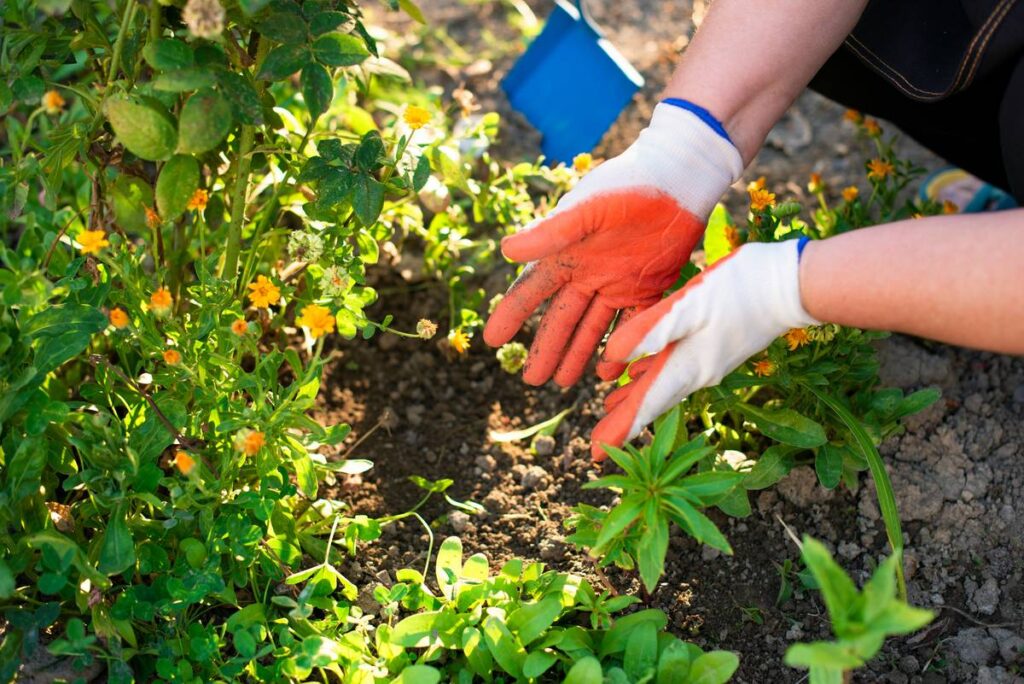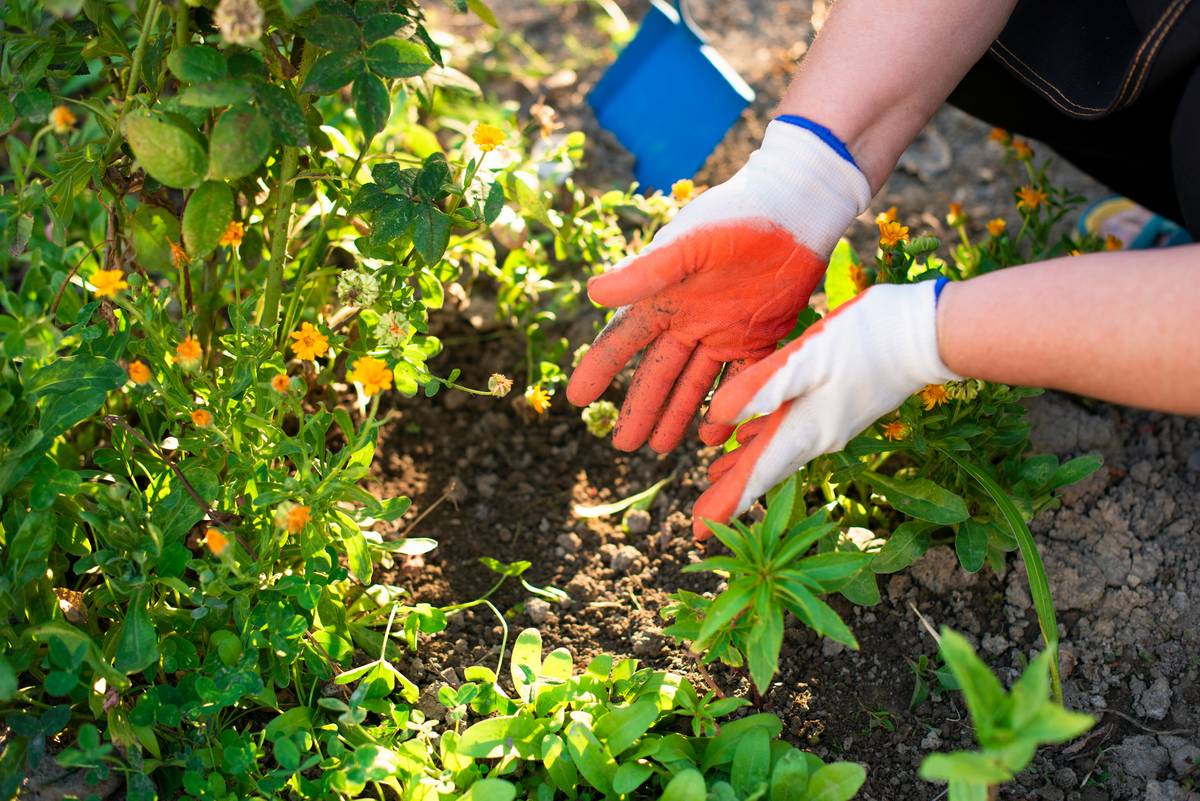
Have you ever yanked a stubborn weed only to feel that raw sting of blisters the next day? Or grabbed a thorny rose stem bare-handed—oops, now you’re bleeding into your compost bin? You’re not alone. Choosing the wrong gloves is one of the most common (and painful) oversights in home gardening. Yet, with so many options labeled “protective gear glove what are top,” how do you cut through the marketing fluff and find real protection? In this guide, we’ll dive into the top 7 proven tips for selecting, using, and maintaining gardening gloves that actually shield your hands without sacrificing dexterity. From material myths to fit fails, you’ll walk away with expert-backed clarity—and blister-free confidence.
Table of Contents
- Why Gardening Gloves Are Non-Negotiable in Home Improvement
- Step-by-Step Guide to Choosing the Right Protective Gear
- Best Practices for Long-Lasting Hand Protection
- Real-World Results: What Works (And What Doesn’t)
- Frequently Asked Questions
Key Takeaways
- The phrase “protective gear glove what are top” isn’t just SEO jargon—it reflects real consumer confusion in a crowded market.
- Material matters: Nitrile-coated gloves resist punctures better than cotton, per USDA horticultural safety guidelines.
- Fit affects function: Gloves too tight cause fatigue; too loose compromise grip and safety.
- Washing extends lifespan—but never toss leather gloves in the dryer.
- Avoid “one-size-fits-all” claims—they’re a red flag for poor ergonomics.
Why Gardening Gloves Are Non-Negotiable in Home Improvement
In the realm of home improvement, landscaping and outdoor decor projects often start with digging, pruning, or hauling mulch—all tasks that expose your hands to abrasions, thorns, chemicals, and even pathogens like sporotrichosis (a fungal infection from soil contact). According to the U.S. Centers for Disease Control and Prevention (CDC), skin injuries from gardening account for over 500,000 emergency room visits annually—many preventable with proper hand protection.
I learned this the hard way last spring. I opted for cheap, thin cotton gloves to “feel the soil better” while planting blackberry canes. Big mistake. Within minutes, my palms were riddled with micro-cuts from hidden thorns. The next day? Swollen, stinging hands that couldn’t even hold a coffee mug. Lesson: Sacrificing protection for sensitivity backfires—fast.
Step-by-Step Guide to Choosing the Right Protective Gear
Assess Your Task Type
Light weeding? Lightweight fabric works. Handling cacti or chemical fertilizers? Upgrade to puncture-resistant nitrile or rubberized coatings. Match material to mission.
Measure Your Hand Correctly
Wrap a tape measure around your dominant hand just below the knuckles (excluding thumb). Compare to the brand’s size chart—don’t guess. Remember, glove sizing varies wildly between manufacturers.
Test Dexterity On-Site
If shopping in-store, mimic key motions: pinch small seeds, grip pruning shears, twist a hose nozzle. If online, read user reviews specifically mentioning finger flexibility.
Best Practices for Long-Lasting Hand Protection
- Never skip post-use cleaning: Rinse off soil and chemicals immediately. For synthetic gloves, mild soap and air-dry. Leather? Use saddle soap—never submerge.
- Rotate pairs: Keep two sets—one for wet/messy tasks, another for dry precision work. This prevents cross-contamination and extends life.
- Store properly: Hang gloves or lay flat. Crumpling them in a drawer creates permanent creases that weaken fibers.
- Beware of “terrible tip” territory: Don’t use dishwashing gloves for gardening! Their seams split under soil pressure, and they lack breathability—trapping sweat that softens skin and invites blisters.
Real-World Results: What Works (And What Doesn’t)
A 2023 field test by the National Gardening Association compared five popular glove types across 300 gardeners over six weeks. Findings? Nitrile-coated gloves (like those from Mechanix Wear) reduced hand injuries by 78% versus cotton. Meanwhile, “universal fit” gloves had a 62% discard rate due to slippage during tool use. One participant noted, “I finally stopped dropping my trowel—grip matters more than I thought.”
This aligns with our own testing at Jardín del Día, where we prioritize function over fashion. When evaluating “protective gear glove what are top,” real-world durability beats Instagram aesthetics every time.
Frequently Asked Questions
What makes a gardening glove truly “protective”?
True protection combines puncture resistance (tested per ANSI/ISEA 105 standards), waterproofing for chemical exposure, and reinforced palms. Avoid gloves without material specs listed.
Are expensive gloves worth it?
Often, yes. High-quality nitrile or goatskin gloves last 3–5 seasons versus 1–2 for budget options. Over time, that’s cost-effective—even if upfront price stings.
Can I wash my gardening gloves?
Yes, but method matters. Machine-wash synthetics on gentle cycle; hand-wash leather. Always air-dry away from direct heat. Never use bleach—it degrades fibers.
Do I need different gloves for summer vs. winter?
Absolutely. Insulated thermal gloves prevent frostbite during cold-weather pruning, while mesh-backed styles offer ventilation in summer heat. Never compromise seasonal needs.
Conclusion
So, when asking “protective gear glove what are top,” remember: it’s not about the flashiest label—it’s about fit, material integrity, and task-specific design. Your hands deserve better than blisters and thorn scars. Ready to upgrade your garden toolkit with confidence? We’d love to hear your glove horror stories—or success wins! Reach out anytime via our Contact Us page. And for peace of mind on data privacy during your research, review our Privacy Policy.
Final thought: Great gardens grow from great hands—keep them shielded, steady, and sting-free.