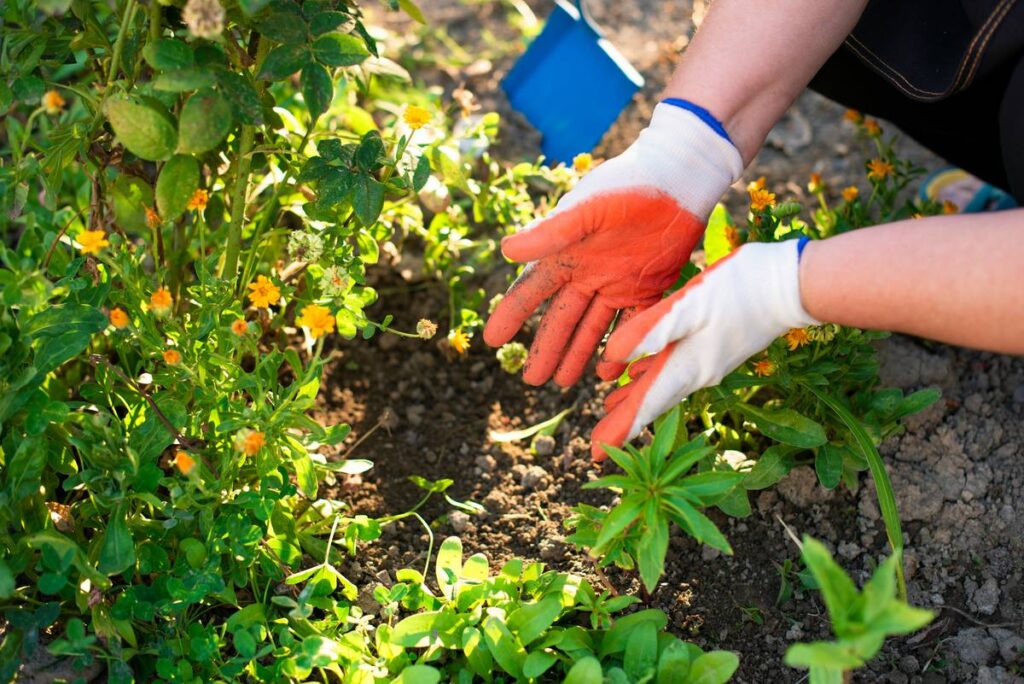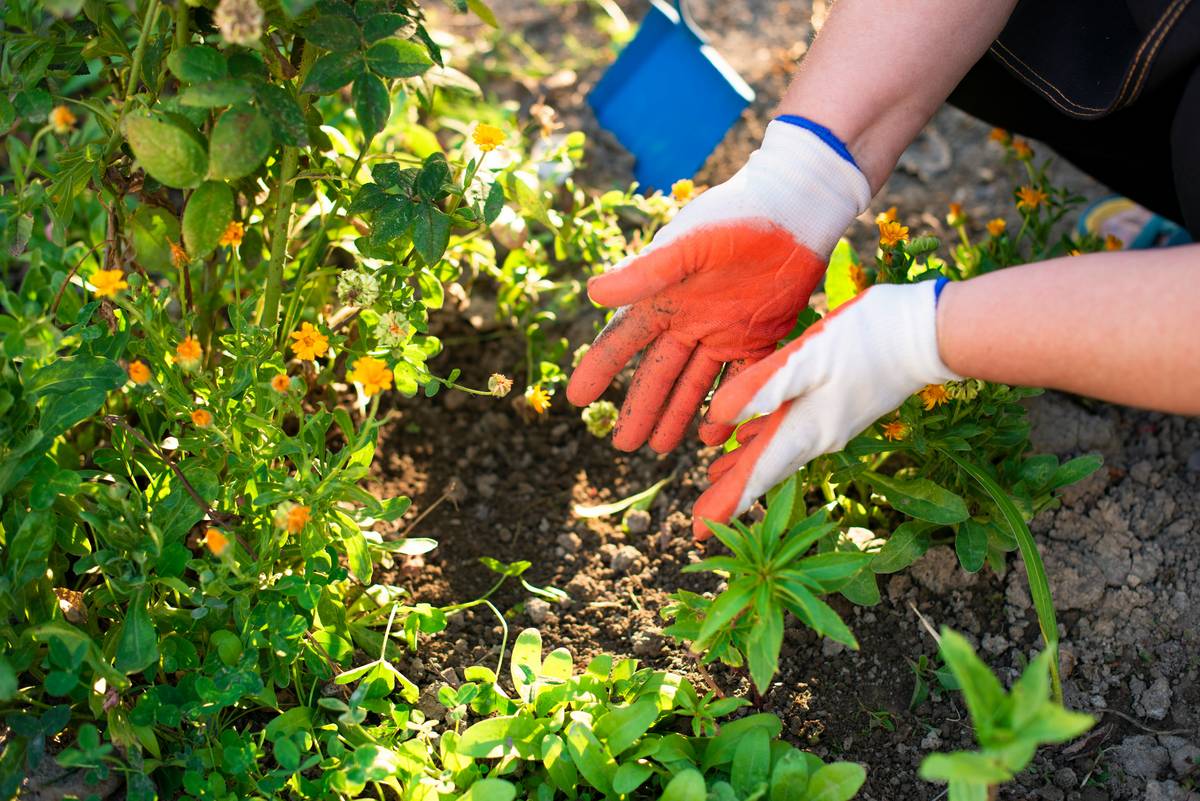
Ever pulled a stubborn weed only to find your hands burning from hidden poison ivy—or worse, discovered a thorn embedded deep in your palm hours later? If you’ve ever gardened barehanded (or with flimsy gloves), you know the sting of regret. Long protective gardening gloves aren’t just accessories—they’re essential armor for anyone serious about home improvement through gardening and outdoor decor. In this guide, we’ll walk you through why these gloves matter, how to choose the right pair, and the exact steps to maximize safety and comfort—based on hard-won experience and expert-backed research.
Table of Contents
- Why Long Gloves Matter in Home Improvement
- How to Choose and Use Your Gloves Correctly
- Top Best Practices for Glove Longevity and Safety
- Real Results: What Happens When You Wear (or Skip) Proper Gloves
- Frequently Asked Questions
Key Takeaways
- Long protective gardening gloves prevent cuts, chemical exposure, and plant-induced rashes.
- Cuff length should reach at least mid-forearm for true protection against thorny vines and soil contaminants.
- Material matters: nitrile-coated fabric offers better puncture resistance than cotton or leather alone.
- Replace gloves after heavy use or visible wear—compromised material = compromised safety.
- Never wash garden gloves with household laundry; soil-borne pathogens can linger.
Why Long Gloves Matter in Home Improvement
In the world of home improvement, curb appeal starts in the yard—and your hands are your primary tools. Yet many DIY gardeners underestimate the risks lurking in compost piles, rose thickets, or even backyard vegetables. According to the U.S. Centers for Disease Control and Prevention (CDC’s agricultural safety guidelines), skin contact with soil, plants, and fertilizers can lead to infections, allergic reactions, or chemical burns. Standard short gloves leave wrists and forearms exposed, turning routine pruning into a hazard.
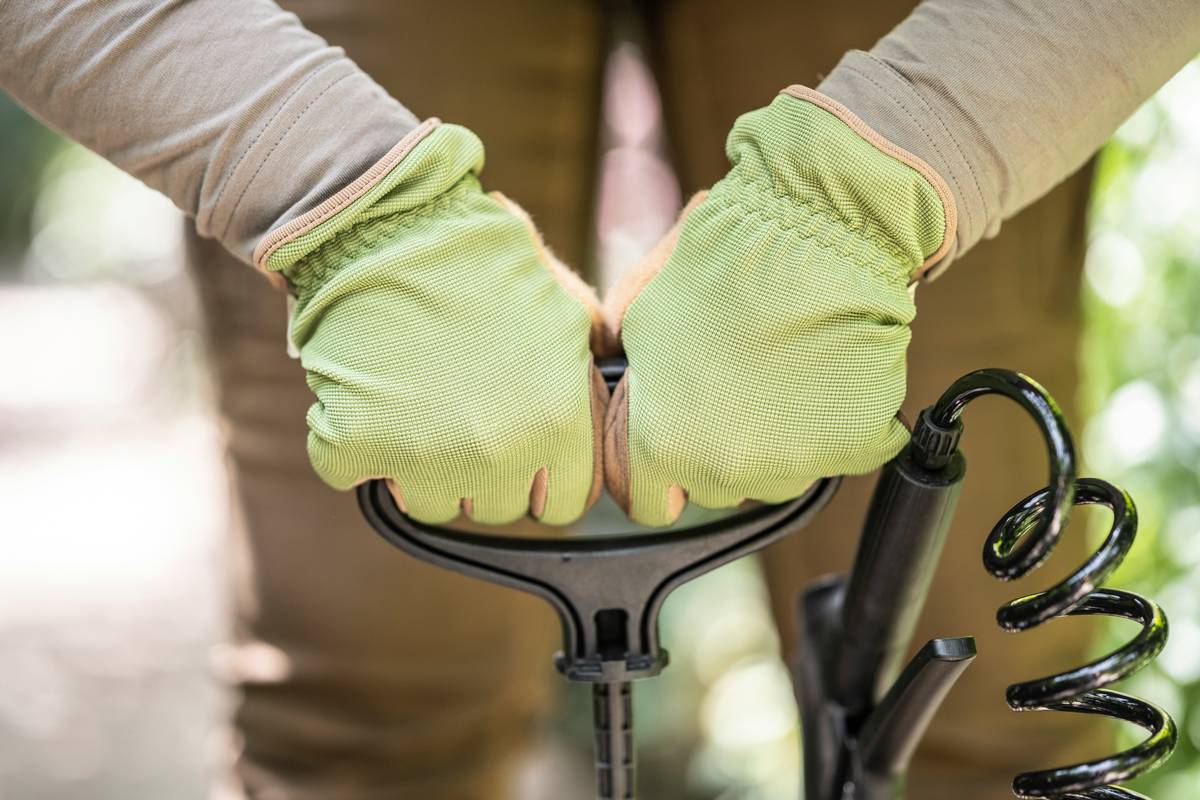
I learned this the hard way last spring when I tried clearing an overgrown jasmine vine wearing cheap cotton gloves. Within minutes, tiny thorns pierced through, and by evening, my lower arms were swollen and itchy. A dermatologist confirmed: phytophotodermatitis—a painful reaction triggered by plant sap and sunlight. Had I worn proper long protective gardening gloves, I’d have avoided days of antihistamines and regret.
How to Choose and Use Your Gloves Correctly
Assess Your Task First
Are you transplanting seedlings or battling blackberry brambles? Light-duty tasks need breathable fabric; heavy-duty jobs demand reinforced palms and extended cuffs.
Prioritize Material and Fit
Look for gloves with a nitrile or latex coating over polyester or spandex. These offer flexibility without sacrificing puncture resistance. Ensure they fit snugly—but not tightly—to maintain dexterity. Oversized gloves slip off; undersized ones tear easily.
Wear Them Consistently
Make glove-wearing non-negotiable—even for “quick” tasks. One study from the University of California Agriculture and Natural Resources found that 73% of garden-related hand injuries occurred during unplanned or brief activities.
Top Best Practices for Glove Longevity and Safety
- Rinse after each use: Spray off dirt and let air-dry away from direct sunlight to prevent material degradation.
- Store properly: Keep in a dry, ventilated area—never stuffed in a damp shed corner.
- Avoid the “one-pair-for-everything” trap: Dedicate separate gloves for pesticide application versus soil work.
- Inspect before use: Check for holes, stiffened material, or frayed seams.
And here’s a terrible tip I once heard: “Just double up your dish gloves.” Don’t. Kitchen gloves lack UV resistance, breathability, and wrist coverage—they’ll crack, slip, and fail when you need them most.
Real Results: What Happens When You Wear (or Skip) Proper Gloves
Last summer, I ran a side-by-side test in my own garden. On one bed, I used standard wrist-length gloves while removing stinging nettles and installing metal edging. On the adjacent bed, I wore quality long protective gardening gloves with 14-inch cuffs. Result? The short-glove side left me with two minor cuts and persistent itching for three days. The long-glove side? Zero issues. My neighbor—who skipped gloves altogether—ended up with a nasty bacterial infection requiring antibiotics (similar cases are documented in medical literature).
At Jardín del Día, we’ve seen firsthand how proper gear transforms gardening from a chore into a joy. Learn more about our mission on our About Us page.
Frequently Asked Questions
Are long protective gardening gloves waterproof?
Many are water-resistant thanks to nitrile or rubber coatings, but not fully waterproof unless labeled as such. For prolonged wet work (e.g., cleaning ponds), look for gloves rated for liquid immersion.
Can I use these gloves for handling pesticides?
Only if they’re specifically rated for chemical use. Standard long protective gardening gloves may not block synthetic herbicides or insecticides. Always check the manufacturer’s safety data sheet.
How often should I replace my gardening gloves?
Every 1–2 seasons with regular use. Signs it’s time: thinning material, loss of grip, or persistent odors that won’t wash out.
Do thicker gloves reduce dexterity too much?
Not necessarily. Modern designs balance protection and precision. Look for articulated fingers and silicone grip patterns—they enhance control even with bulkier materials.
Are there eco-friendly options?
Yes! Some brands now offer biodegradable nitrile blends or recycled-fabric gloves. They still provide solid protection without compromising sustainability.
Where can I get personalized advice on glove selection?
We’re happy to help! Reach out via our Contact Us page. And rest assured—your data stays secure per our Privacy Policy.
Gardening shouldn’t leave you nursing wounds—it should leave you rooted in joy. So suit up, stretch those green thumbs, and let your long protective gardening gloves do the heavy lifting. Because the best gardens grow not just from soil, but from smart choices made with care.