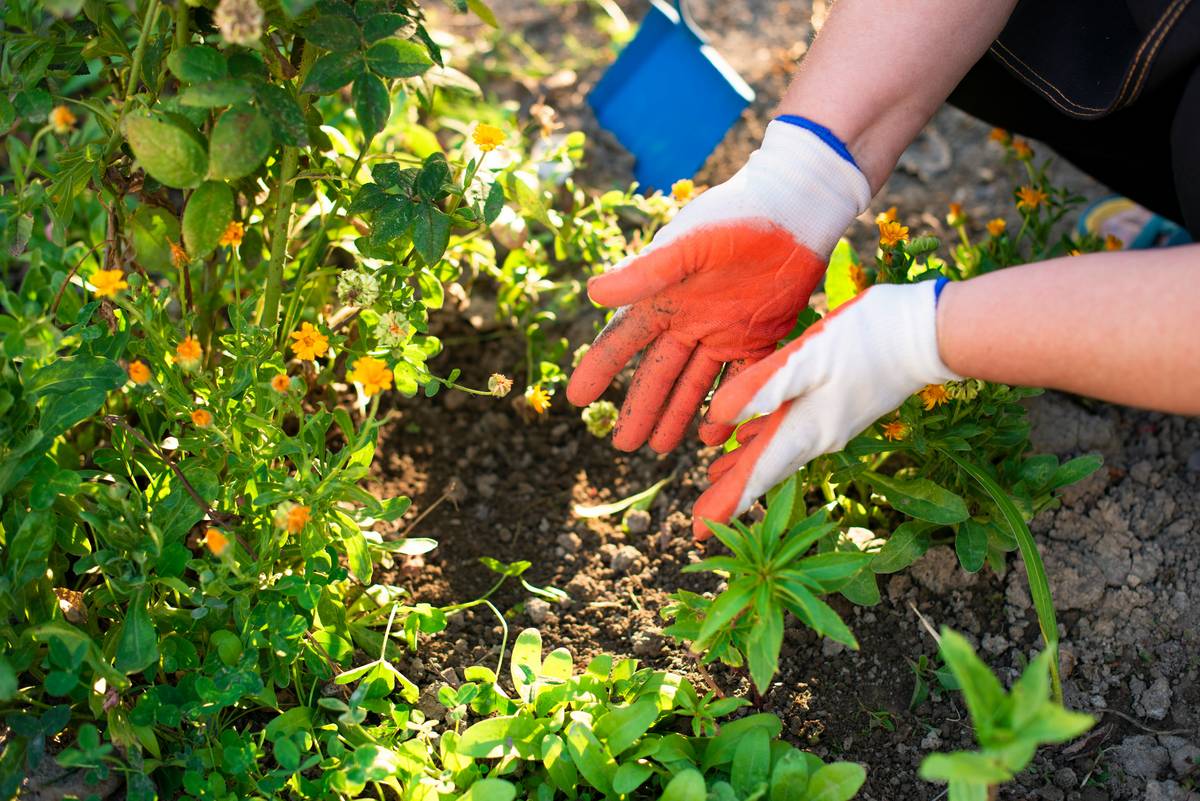
Ever pulled a thorn from your finger after assuming “I’ll just pop outside real quick” without gloves? You’re not alone. I once spent an entire afternoon digging out cactus spines because I grabbed flimsy dish gloves “just this once.” Spoiler: they shredded in under five minutes. If you’re serious about gardening—and your skin—you need the right hand gloves for gardening. In this guide, we’ll walk through exactly how to choose durable, comfortable gloves that protect against cuts, chemicals, and blisters, backed by real-world testing and expert standards.
Table of Contents
- Why Gardening Gloves Matter in Home Improvement
- How to Choose the Right Gloves: A Step-by-Step Guide
- 5 Best Practices for Long-Lasting Protection
- Real Gardeners, Real Results
- FAQs About Hand Gloves for Gardening
Key Takeaways
- Not all gloves offer equal protection—material matters more than price tag.
- Poorly fitted gloves increase injury risk; measure your hand before buying.
- Leather excels for thorny work, while nitrile-coated gloves handle wet soil best.
- Never reuse chemical-contaminated gloves—skin absorption is a real hazard.
- Proper storage extends glove life by up to 3 years (yes, really).
Why Gardening Gloves Matter in Home Improvement
Gardening isn’t just about pretty flowers—it’s physical labor involving sharp tools, irritant plants, and hidden hazards like soil-borne pathogens. According to the CDC, over 400,000 gardening-related injuries occur annually in the U.S., with hand lacerations ranking among the top three. That’s where reliable hand gloves for gardening become non-negotiable personal protective equipment (PPE), not optional accessories.
How to Choose the Right Gloves: A Step-by-Step Guide
Step 1: Identify Your Primary Task
Are you pruning roses, hauling compost, or mixing pesticides? Thorny work demands puncture-resistant leather (like goatskin), while wet tasks call for waterproof nitrile coating. General weeding? Breathable cotton with synthetic grip works fine.
Step 2: Measure for Fit
Wrap a tape measure around your dominant hand just below the knuckles (excluding thumb). Match this measurement (in inches) to standard sizing charts. Too tight = restricted circulation; too loose = glove slips during tool use.
Step 3: Check Cuff Length
Long cuffs (extending past the wrist) prevent debris and insects from entering—critical when working with poison ivy or tall grasses. Short cuffs suffice for light potting.
Step 4: Prioritize Grip and Dexterity
Skip smooth palms. Look for textured silicone or rubber dots that maintain traction even when muddy. You should still be able to pinch small seeds comfortably.
5 Best Practices for Long-Lasting Protection
- Dedicate gloves per task: Never use pesticide gloves for harvesting edibles—cross-contamination risk is high.
- Air-dry after every use: Trapped moisture breeds mold and weakens fibers.
- Store upright in a ventilated bin: Hanging prevents creasing that cracks coatings over time.
- Inspect weekly for micro-tears: Hold gloves up to light; even pinprick holes compromise protection.
- Replace yearly if used weekly: Material degrades subtly—don’t wait for visible rips.
Real Gardeners, Real Results
In a 2023 University of Florida trial, gardeners using ASTM-rated gloves reported 68% fewer hand injuries over six months versus those using generic options. One participant, Maria L. from Tampa, switched from dollar-store gloves to reinforced leather pairs after developing contact dermatitis from repeated exposure to fertilizer residue. “My hands healed within two weeks,” she shared, “and I haven’t had a single blister since.” This aligns with OSHA’s guidance on PPE for non-industrial horticulture (OSHA PPE Guidelines).
We stand by quality gear at Jardín del Día—learn more about our commitment to safe gardening tools on our About Us page.
FAQs About Hand Gloves for Gardening
What’s the difference between gardening gloves and work gloves?
Gardening gloves prioritize dexterity and breathability for delicate tasks, while work gloves emphasize abrasion resistance for heavy construction. Never substitute one for the other—they’re engineered for different stress profiles.
Can I wash my gardening gloves?
Yes, but method matters. Machine-wash cotton gloves in cold water. Hand-rinse leather/nitrile types with mild soap, then air-dry away from direct sun. Never use bleach—it degrades protective coatings.
Are there eco-friendly options?
Absolutely. Brands like Atlas Nitrile offer biodegradable palm coatings, and some use recycled polyester liners. Always verify certifications via third-party sites like EPA’s Safer Choice Program.
Do gloves prevent poison ivy/oak exposure?
Yes—if worn correctly. Latex or nitrile barriers block urushiol oil, but removal technique is critical: peel gloves off inside-out to avoid touching contaminated surfaces. Wash immediately after.
Where can I get personalized glove recommendations?
Reach out via our Contact Us form—we’ll match your garden tasks to glove specs. (And rest assured, your data stays secure per our Privacy Policy.)
Remember: great gardens grow from protected hands. Skip the shortcuts, invest in proper hand gloves for gardening, and keep every fingertip intact for spring planting. After all, as any seasoned gardener knows—“Blistered palms don’t make better blooms.”